Walking Through History: PSI Recipients Reflect on a Transformative Stay in Poland
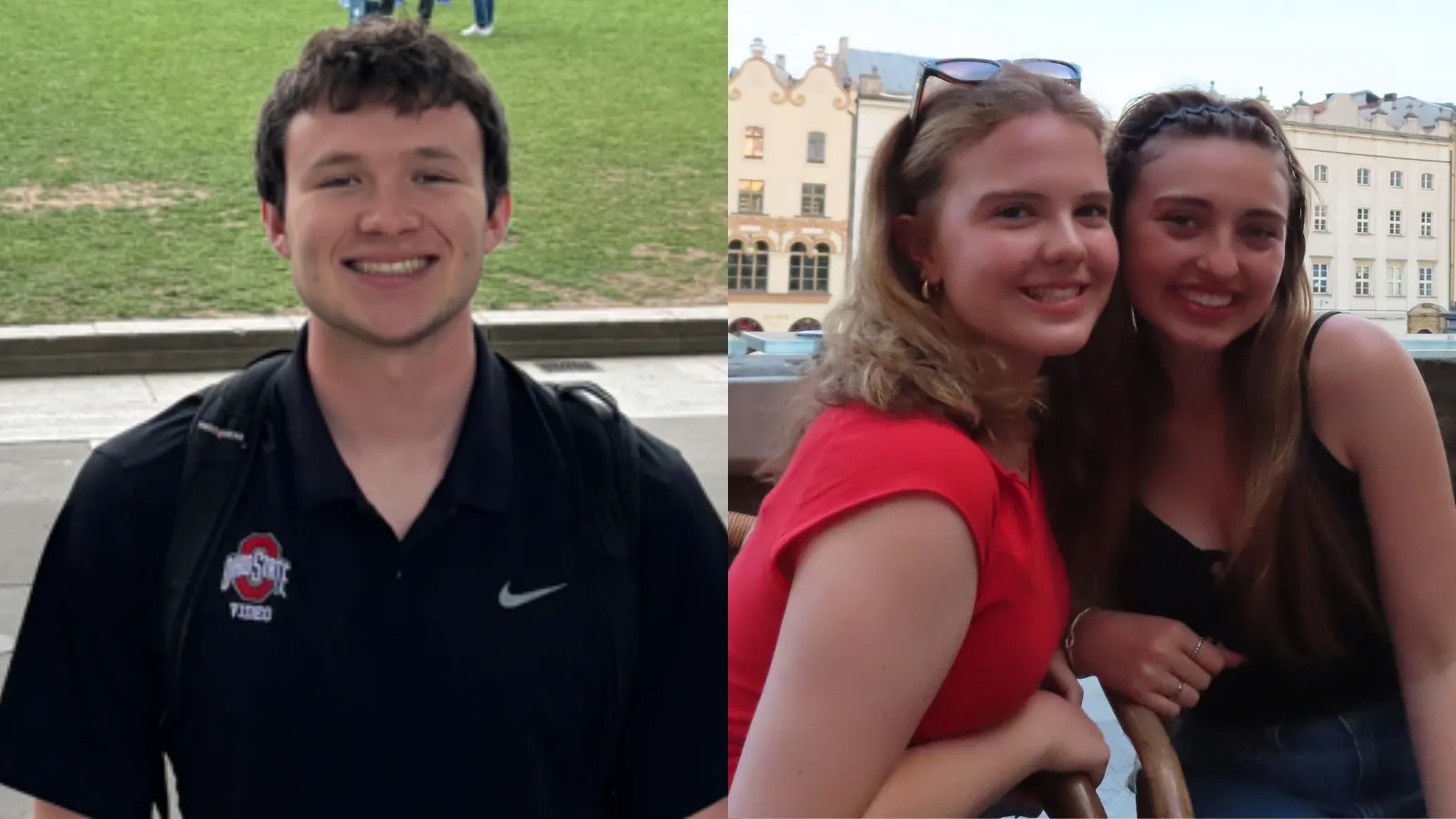
This past summer, undergraduate students Rebecca Marzloff, Kristian Nelsen, and Marianna Packer received Polish Studies Initiative (PSI) scholarships to participate in the U.S., Europe, and the Second World War: Interactions in 20th Century History study abroad program led by Dr. Dave Steigerwald and Dr. John Davidson. Following their travels through Europe, Rebecca, Kristian, and Marianna reflected on their experiences and shared what made the program so meaningful.
Why did you choose the U.S., Europe, and the Second World War: Interactions in 20th Century History study abroad program?
Rebecca: The subject matter of this program has always interested me. We traveled through four different countries, so as someone who had never been out of the country before, it felt like a once-in-a-lifetime opportunity.
Kristian: I had heard many great things about the program, especially how students and professors formed a strong group dynamic that made traveling around Europe and learning about its WWII history even more impactful. Being able to experience this history and the cultures shaped by it alongside fellow Ohio State students was a gift. It created a personal connection, both with one another and with the often-hallowed ground where we stood.
Marianna: I developed an interest in WWII history because of my family members that served in the U.S. Navy at the time. That interest eventually led me to take The History of the Holocaust during my first semester as a freshman. During that class, Dr. Dave Steigerwald visited and spoke about the study abroad program, and from that moment I knew I wanted to be part of it. I am so glad everything worked out the way it did, and I would not change the experience for anything.
What did you like most about Poland while you were there?
Rebecca: The people in Kraków were incredibly friendly, and everywhere we went felt lively and welcoming. Additionally, our visit to Auschwitz was a humbling experience. A place so infamous for the atrocities that occurred there almost does not feel real until you stand on the grounds yourself. As a psychology major with an interest in the social impacts of war, it was especially meaningful for me, and it is an experience I will never forget.
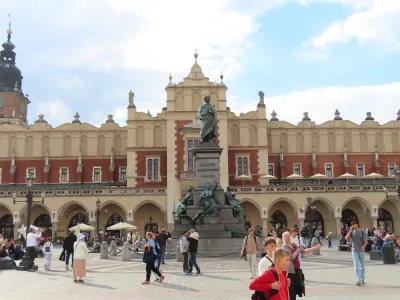
Kristian: Poland was wonderful. From tour guides and shopkeepers to museum staff and people on the street, everyone was kind and welcoming. The food was amazing and surprisingly inexpensive. I found myself exploring Old Town Kraków more than once with pierogi in hand from a little corner store near a train station.
Marianna: Of all the countries we visited, Poland was by far my favorite for many reasons. I loved the atmosphere, the food, the architecture, and the warmth of the local people. One of my favorite memories was hearing the trumpeter play from St. Mary's Basilica in Kraków. I was fascinated that traditions like that remain part of everyday life.
How do you think your experiences abroad will impact your future career?
Rebecca: This program gave me a new perspective on historical events and how we interact with them today. I hope to work in the justice system someday, and experiencing different cultures in England, France, Poland, and Germany helped me better understand the people and places I may encounter throughout my career.
Kristian: These experiences made me want to explore, and possibly even live in, a European country one day. Being able to spend several days in each location allowed us to feel less like tourists and more like locals, even in a relatively short period of time. I hope to one day work in or alongside NATO, so seeing countries like Poland firsthand really solidified that dream.
Marianna: As an aspiring pediatric surgeon, this trip strengthened my understanding of the importance of empathy, ethics, and human dignity. Studying topics such as the collapse of medical ethics under Nazi Germany reminded me how essential compassion and accountability are within healthcare and society as a whole. Being able to step outside the classroom and stand in spaces such as Auschwitz was humbling. Traveling abroad for the first time also opened my eyes to how much I enjoy learning about global healthcare systems, which may influence my future career path.
Do you have any advice for students who may want to participate in this program or other programs that visit Poland?
Rebecca: Be prepared to work hard academically, because the reward is incredible. The program is listed on the Office of International Affairs website, and I strongly recommend attending the information sessions. Poland was an amazing place to visit, and I hope to go back someday. If you do go, try learning a few basic Polish phrases. The language is fascinating!
Kristian: Get out there and explore the local area. Eat at a local restaurant, visit a village, or spend time outside the main tourist attractions. While you should absolutely see places like Kraków's Old Town and Main Square, some of the best experiences happen when you venture a little farther. You may just discover your favorite part of the trip.
Marianna: This program is truly life-changing, and every day brought something new. You could not ask for better instructors or better friends to share the experience with. If you are considering the World War II study abroad program, take the leap. You will not regret it.