Must-Reads from Summer 2026
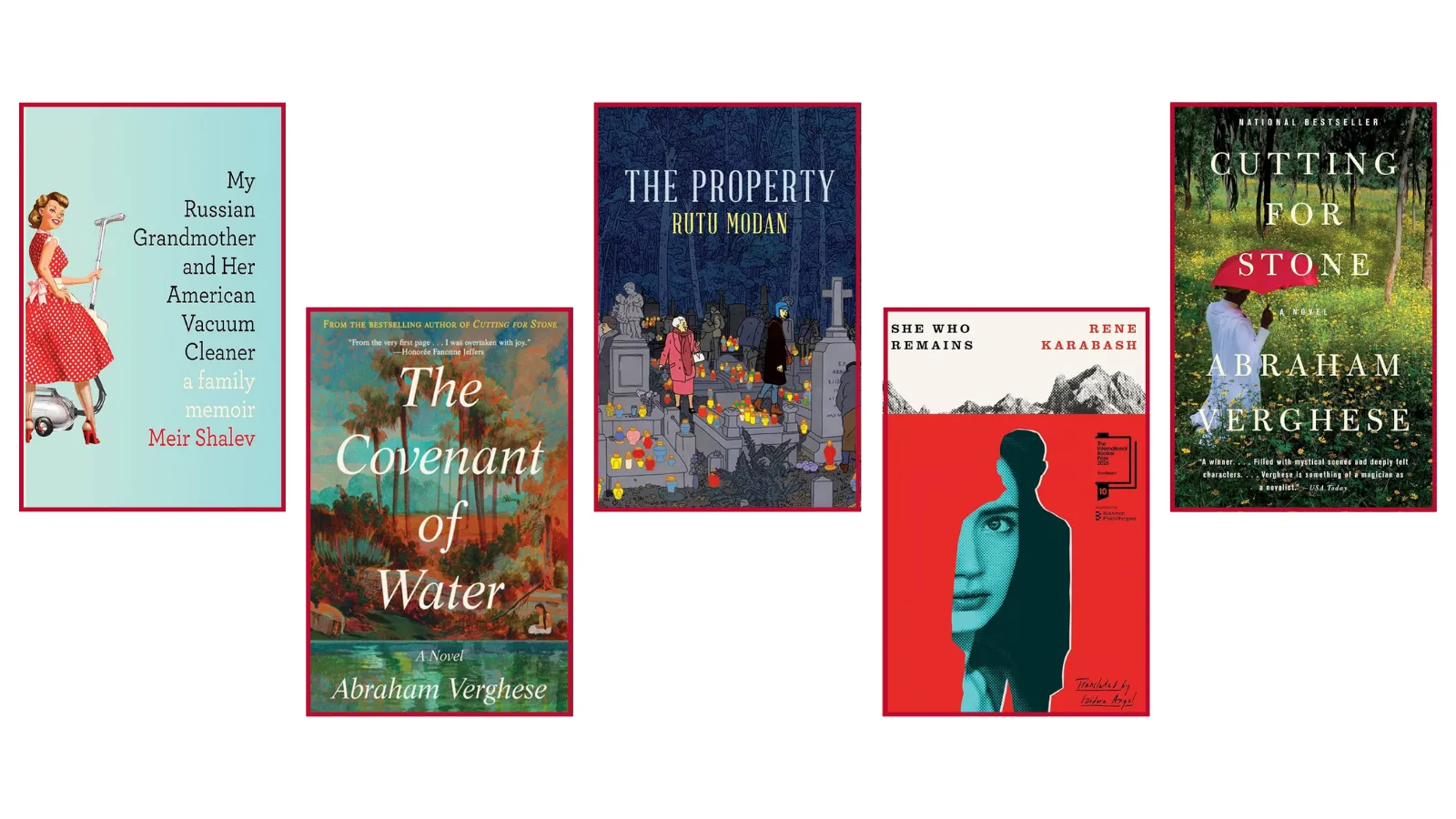
Looking for a new book? The Center of Slavic, East European and Eurasian Studies’ faculty and staff have recommended the best books they read over the summer. From graphic novels to memoirs, there is something for everyone. Grab a warm beverage, pull up a comfy chair, and dive in!
She Who Remains (Остайница) by Rene Karabash; Translated by Izidora Angel
Recommended by Dr. Yana Hashamova
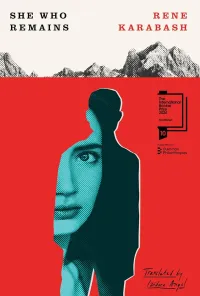
She Who Remains is a fiction novel about a young woman in an isolated Albanian village who chooses to live as a man to escape an arranged marriage.
“As someone interested in gender studies, I appreciated She Who Remains for its portrayal of female subjectivity and resilience. Yet what captivated me even more was its immersion in the layered cultural history of the Balkans. Karabash evokes a landscape marked by ancient traditions and Byzantine and Ottoman inheritances, revealing how these historical currents persist in everyday life, collective memory, and individual experience. Karabash captures the Balkans not simply as a setting but as a living palimpsest, where memory, myth, religion, and history continue to shape personal identities and intimate lives. The novel's cultural richness made its exploration of identity and endurance especially compelling.”
The Property by Rutu Modan
Recommended by Parker Tysinger
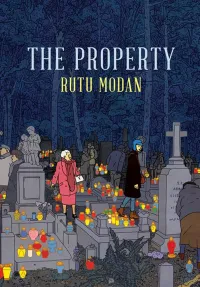
The Property is a graphic novel about a young Israeli woman who travels to Warsaw with her grandmother to help her reclaim the apartment building her family was forced to give up in 1940. The novel explores their complicated relationship and reveals long-buried secrets.
“This book was originally suggested to me due to my interest in Jewish studies and Poland, but I think everyone should read this book. From the first page I was hooked and read it all in one sitting. The illustrations were beautiful and captivating. I was not expecting the romance or the twist!”
Cutting for Stone and The Covenant of Water by Abraham Verghese
Recommended by Dr. Angela Brintlinger
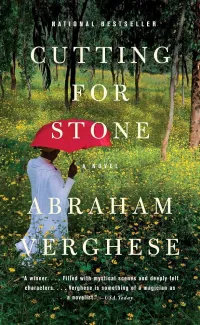
Cutting for Stone is a novel that follows the life of a man born in Ethiopia who grows up in and around a Christian hospital staffed by primarily Indian doctors. He eventually becomes a surgeon, emigrates to America, and starts unravelling the mystery of his birth and parents.
The Covenant of Water is a historical fiction novel that follows 3 generations of a family in Kerala on South India’s Malabar Coast. It particularly focuses on the story of a girl and her journey from child bride to matriarch of the family.
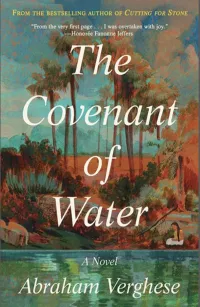
“Continuing my exploration of fiction with medical themes, I listened to two audiobooks this summer written by Abraham Verghese. I find that listening to a book is an entirely different experience than reading it, but when the narrator is good (and Covenant is performed by Verghese himself) and I am traveling, I enjoy immersing myself in different voices, times and places. Both of these novels are sweeping epics and both feature sanatoria of one kind or another—so they fit my current research while taking me to Ethiopia and India rather than my usual literary destinations: Russia, Ukraine, Serbia or Romania. Verghese depicts complex individuals caught in historical, social, and cultural snares that trip them up, but he also shows how their humanity enables them to handle what comes their way.”
My Russian Grandmother and Her American Vacuum Cleaner by Meir Shalev; Translated by Evan Fallenberg
Recommended by Dr. Naomi Brenner
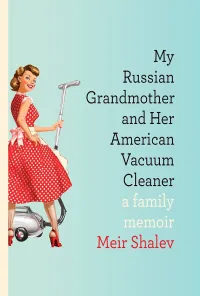
My Russian Grandmother and Her American Vacuum Cleaner is a warm and humorous memoir by Meir Shalev that uses the story of his meticulous grandmother, Tonia, and an American vacuum cleaner sent to the family as a gift to explore family history, immigration, and everyday life in early Israel. Through anecdotes about his eccentric relatives, Shalev reflects on the clash between old-world traditions and modern influences while celebrating the resilience, humor, and storytelling that shaped his family.
“This memoir brings readers into the lives of a Jewish family living in Mandatory Palestine in the 1920s as it chronicles Grandmother Tonia’s fierce battles against dirt, capitalism, and more. In a narrative filled with humor and history, it reflects powerfully on the immigrant experience and how ideological systems leave their mark on the everyday.”